Enriching Lives in Complex Care: How Park Place Supports Seniors with Evolving Needs
October 5, 2026 | By Park Place Seniors Living |
At a Glance
- Who it’s for: Seniors and families exploring 24/7 nursing support and long-term care options across British Columbia, Alberta, and Ontario.
- What it covers: How Park Place Seniors Living approaches complex care through personal dignity, accredited clinical standards, and individualized daily routines.
- Why it matters: Understanding how 24/7 nursing support works helps families feel more confident in their decisions while easing the stress and demands of caregiving.
When an aging parent or loved one experiences changing health needs, families exploring senior support options often face overwhelming decisions, emotional strain, and information overload. Navigating transitions to more comprehensive support can feel daunting, especially during a sudden health change or hospital discharge when decisions must be made quickly.
Long-term complex care represents the largest portfolio of residences at Park Place Seniors Living, a 100% Canadian, family-owned seniors living organization with over 30 years of experience. Rather than treating complex care as a cold, institutional experience, Park Place focuses on preventing the institutionalization of care. By creating warm, secure spaces where personal dignity, family involvement, and resident choice come first, seniors and their families find the ongoing support they need to navigate changing health needs together.
What is complex care, and who is it designed for?
Complex care, often referred to as long-term care, is designed for seniors who require 24/7 nursing support and daily personal assistance due to ongoing physical health challenges or cognitive impairments.
Unlike independent retirement living, where residents manage their own daily routines, complex care provides round-the-clock professional nursing supervision, medication management, and specialized personal support. Park Place residences combine this essential clinical oversight with a warm, welcoming environment. Whether at Shaughnessy Seniors Community in Port Coquitlam, BC, Devonshire Seniors Community in Edmonton, AB, or Chippawa Creek at Bella Care Residence in Niagara Falls, ON, each residence aims to blend specialized medical attention with the comfort, security, and warmth of home.
How does Park Place make 24/7 support feel like home?
Park Place preserves resident autonomy and personal identity through individualized support plans that honour each resident’s daily preferences, personal history, and unique voice.
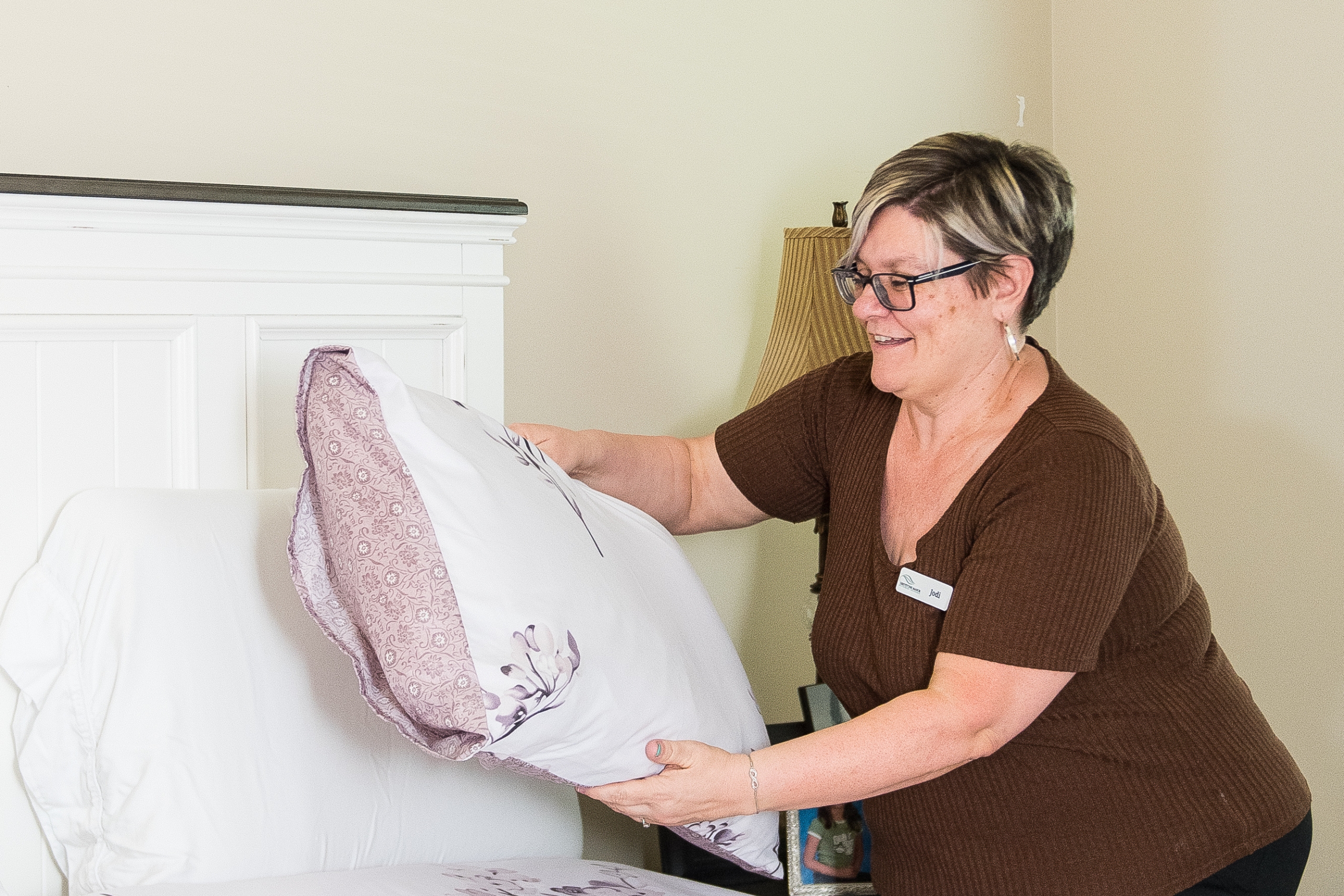
Central to this personalized approach is the Resident’s Day plan, a core philosophy ensuring that every resident retains a genuine voice and choice in how they spend their time. Rather than forcing residents onto rigid institutional schedules, team members adapt daily assistance around when residents prefer to wake up, dine, socialize, or rest. Comfortably furnished private suites feature large windows for natural light, 24-hour nurse call systems, and space for personal mementos, recliners, and photos. By surrounding seniors with familiar comforts and responsive team members who take the time to know their stories, daily living feels reassuring and personalized.
What does accreditation mean for resident safety?
Accreditation Canada provides an independent, national measure of whether a seniors living organization meets established health and safety standards, quality protocols, and evidence-based clinical practices.
To provide reassurance to families, Park Place long-term care and assisted living residences participate in extensive operational reviews through Accreditation Canada. Maintaining accreditation since 2005 demonstrates an ongoing commitment to health and safety, continuous quality improvement, and clinical excellence. These independent evaluations assess important areas such as clinical coordination, infection prevention, emergency response, and nursing practices against national standards. For families comparing long-term care options, accreditation offers added confidence in an organization’s commitment to safe, compassionate, and high-quality support.
How does moving to complex care support family members?
Transitioning a parent into long-term care allows adult children to step back from the physical and emotional demands of full-time medical caregiving and focus more on being a family member.
Many adult children balancing careers, families, and other responsibilities experience caregiver burnout and guilt when they can no longer manage an aging parent’s expanding medical needs alone at home. Attempting to balance medication schedules, mobility assistance, and household upkeep often strains family dynamics. With round-the-clock clinical support from a dedicated professional team, families gain a trusted partner in their loved one’s well-being. Family visits can shift away from exhausting daily responsibilities and return to meaningful conversation, shared meals, and quality time together.
Have questions about different levels of support or navigating long-term care options for a loved one? Explore our long-term care residences across BC, Alberta, and Ontario, or reach out to our team for a warm, confidential conversation.